Quick Comparison: Traditional Hiring vs. Skills-First Hiring
| Feature | Traditional Degree-Based Hiring | Modern Skills-First Hiring (2026) |
| Primary Filter | University name, GPA, and Degrees | Portfolios, Certifications, and Assessments |
| Time to Hire | Slower (focuses on background checks) | Faster (focuses on immediate capability) |
| Diversity | Limited to those who can afford college | Highly inclusive and diverse talent pool |
| Employee Retention | Average | High (Candidates are a direct fit for the task) |
| Best For | Highly regulated fields (Medicine, Law) | IT, Energy, Sales, Marketing, and Operations |
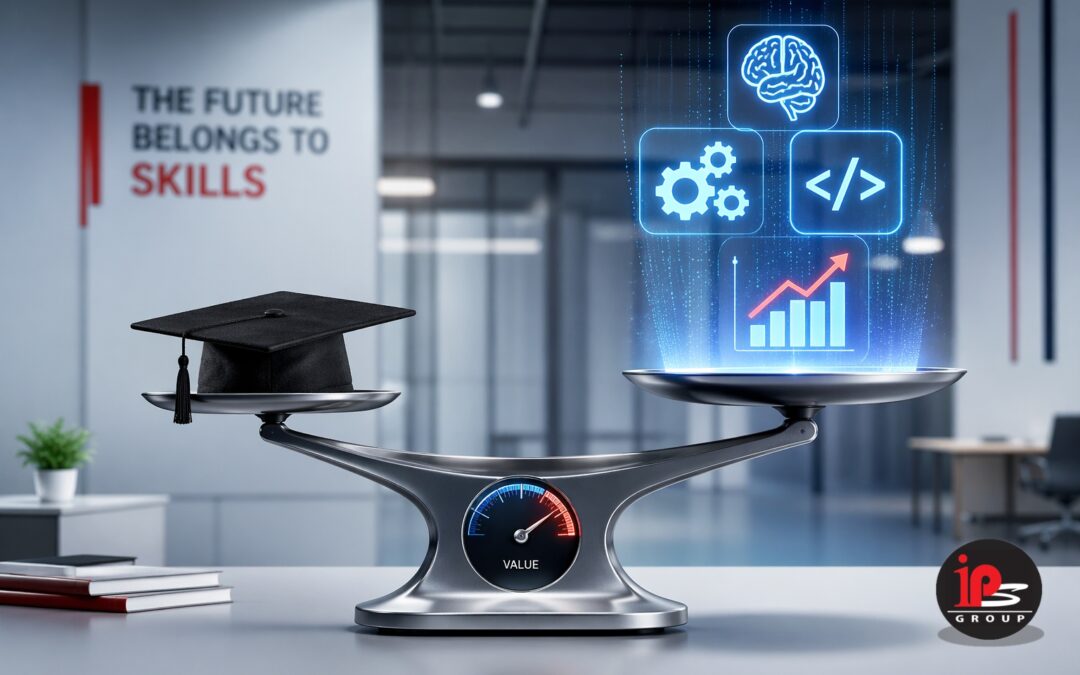
For decades, the standard recipe for career success was simple: go to a good college, get a degree, and land a great job. A four-year degree was the ultimate golden ticket. But if you look closely at the job market in 2026, you will notice a massive shift. The traditional “Degree Requirement” is dying.
We have officially entered an era where companies care more about what you can actually do rather than where you spent four years studying. The future of hiring is no longer about paper certificates; it is all about verified, practical skills.
Let’s dive into why skills-first recruitment is taking over, how the corporate mindset is changing, and what you need to do to secure your dream job in this new era.
The Great Debate: The Skilled Pro vs The University Fresher
Walk into any HR department today, and you will hear a common debate. Who do you hire? The candidate with three years of hands-on experience and a stunning portfolio, or the fresher who just graduated from a top-tier university but has zero practical exposure?
Ten years ago, the university fresher would often win. Companies felt safe hiring brand names. But today, the tables have turned. Businesses are realizing that a prestigious degree does not automatically translate to job readiness. A self-taught programmer or a marketer with a proven track record of running successful campaigns brings immediate value to the table. In the fast-paced world of 2026, companies simply do not have the time to spend six months teaching a fresher how to do the actual job. They want problem-solvers who can hit the ground running.
Why Industries Are Prioritizing Skilled People
This shift isn’t just a passing trend; it is backed by hard data and evolving business needs. According to recent reports from LinkedIn, job postings that focus on skills and responsibilities rather than qualifications have increased by over 20% globally. Furthermore, the World Economic Forum highlighted that over 50% of all employees require significant reskilling to keep up with technological advancements.
So, why are employers dropping the degree filter?
First, it opens up a massive, diverse talent pool. By removing the degree barrier, companies can tap into brilliant minds who may not have had the financial privilege to attend college. Second, it increases employee retention and performance. Data from global research firm Gartner shows that employees hired for their skills rather than their education tend to stay longer and adapt faster to new challenges. In an economy driven by rapid AI integration and shifting markets, adaptability and verified skills are a company’s most valuable assets.
What Today’s Job Seekers and Freshers Must Do
If you are a job seeker or a fresher stepping into the 2026 job market, you need to change your strategy. Relying solely on your college GPA will no longer cut it.
Start by building a visible portfolio. If you are a designer, showcase your designs. If you are a coder, build an app or contribute to open-source projects. If you are in sales, document your successful pitches or communication skills. You need to provide undeniable proof of your capabilities. Additionally, focus on continuous learning. Get micro-certifications in specific, high-demand tools related to your industry. Finally, prepare for skill assessments. Interviews today are less about “Tell me your weaknesses” and more about “Here is a real problem our company is facing—how would you solve it?”
The Top 5 Verified Skills Employers Actually Want in 2026
If degrees are no longer the ultimate filter, what exactly are recruiters looking for? Based on global talent acquisition trends, here are the top five skills that will secure you a job in 2026, regardless of your educational background:
1. AI Collaboration & Prompt Engineering: It’s no longer about whether you know how to use basic software; it’s about how well you can work alongside Agentic AI to multiply your productivity.
2. Data Fluency: You don’t need to be a data scientist, but every modern professional—from HR to Sales—must know how to read, interpret, and make decisions based on data.
3. Cross-Functional Agility: Companies are looking for “T-shaped” professionals. For example, a marketer who understands basic coding, or an engineer who understands consumer psychology.
4. Emotional Intelligence (EQ) & Leadership: AI can automate tasks, but it cannot negotiate, show empathy, or lead a team through a crisis. EQ is becoming the most sought-after soft skill.
5. Cybersecurity Awareness: With remote work becoming a permanent fixture, companies demand that every employee understands digital security hygiene.
Industry Spotlight: How IT and Energy Sectors are Leading the Charge
The shift towards skills-first hiring is not happening equally across all sectors. Two industries are aggressively pioneering this model:
-
The IT & Tech Industry: Today, top IT staffing companies care more about a candidate’s GitHub repository, coding boot camp projects, and problem-solving tests than a Computer Science degree. If you can code and deploy seamlessly, you are hired.
-
The Global Energy Sector (Oil, Gas & Renewables): The energy transition has created a massive demand for niche talent. Field engineers, solar technicians, and safety managers are being hired based on practical certifications, on-site problem-solving capabilities, and proven safety records rather than traditional four-year college degrees.
Your Secret Weapon: Master the New Era with AiTom Assist
Adapting to this new skills-first world can feel overwhelming, but you don’t have to do it alone. If you want to stand out, you need a tool that perfectly highlights your capabilities and prepares you for the modern hiring process.
Enter AiTom Assist.
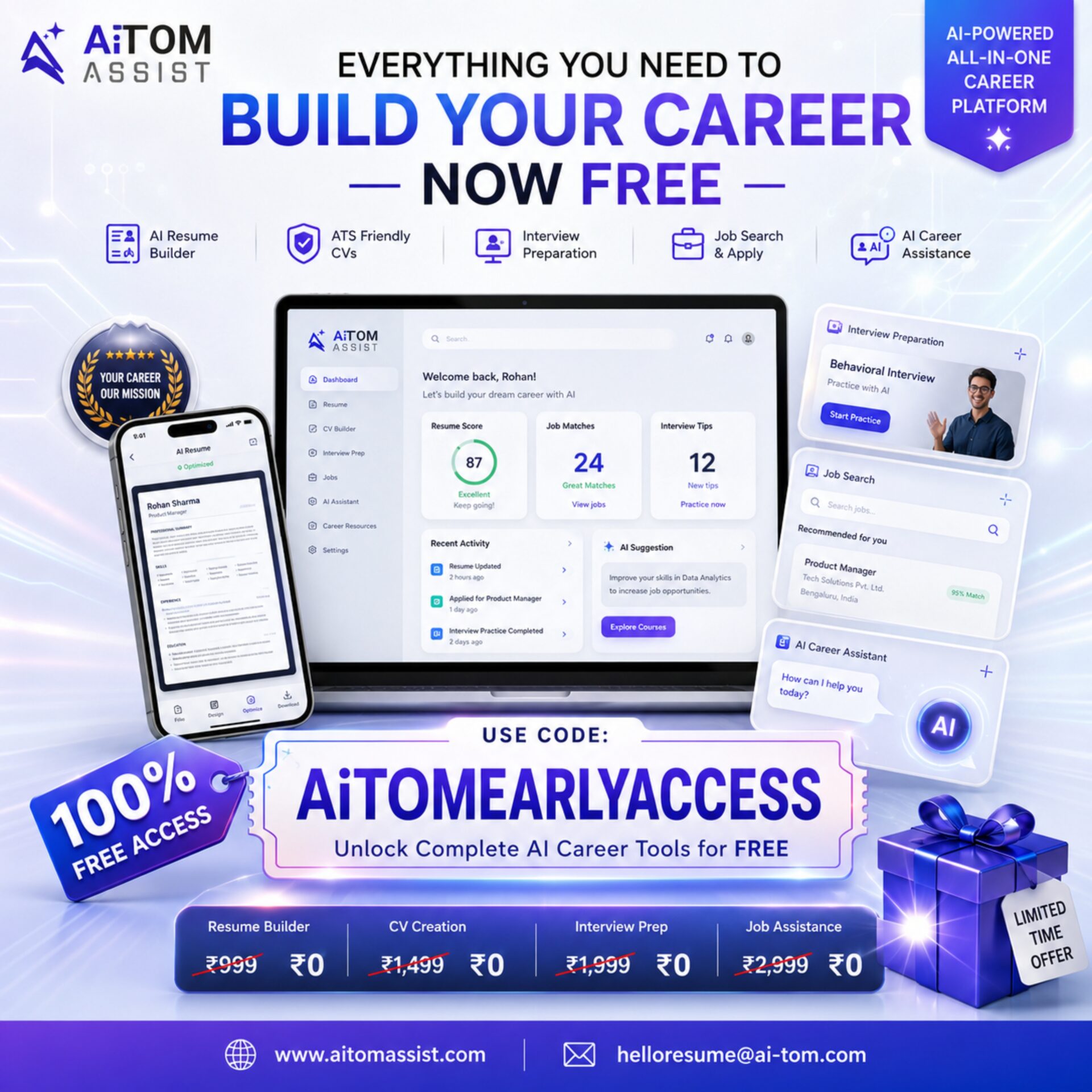
AiTom Assist is a game-changing platform designed specifically for the modern job seeker. It helps you seamlessly translate your raw skills into a highly professional, ATS-friendly resume. But it doesn’t stop at CV enhancement. AiTom Assist features an incredibly smart AI Interview prep tool. You can practice real-world, role-specific mock interviews with an AI bot that gives you instant feedback on your communication, technical answers, and overall readiness. It is like having a personal career coach in your pocket, ensuring that when you get in front of a recruiter, your skills shine brighter than any piece of paper.
How IPS Group Bridges the Talent Gap
Of course, it takes two sides to make a successful hire. While candidates are upgrading their skills, businesses need a reliable way to find them. This is where IPS Group comes into play.
As a global leader in manpower solutions, IPS Group acts as the ultimate bridge in the skills-first economy. For businesses, IPS Group uses advanced screening and data-driven insights to cut through the noise, delivering highly skilled, verified professionals tailored to your exact industry needs. For candidates, IPS Group is the gateway to your dream job, connecting your proven capabilities with top global companies who value what you can do over where you studied.
The degree requirement might be dying, but the era of real talent is just beginning. Focus on your skills, leverage the right AI tools, and partner with the right experts. The jobs of 2026 are waiting for those who are ready to perform.
The Role of RPO in Navigating the Skills-First Transition
For employers, shifting from traditional degree-based hiring to a skills-based model is incredibly challenging. How do you rewrite job descriptions? How do you assess technical skills without bias?
This is where partnering with a specialized Recruitment Process Outsourcing (RPO) provider becomes essential. A modern RPO partner doesn’t just forward resumes; they redesign your entire talent acquisition strategy. They implement skill-assessment frameworks, conduct behavioral interviews, and utilize platforms like AiTom Assist to ensure you are hiring for true capability. By outsourcing the complex screening process, your company saves time, reduces cost-per-hire, and drastically improves employee retention.
FAQ’s
1. Does a "skills-first" market mean degrees are completely useless?
Not at all. Degrees are still highly valuable, especially in heavily regulated fields like medicine, law, or structural engineering. However, for technology, marketing, sales, and modern business roles, employers are prioritizing what you can actually do over your academic background.
2. How can I prove my skills if I don't have a formal degree?
The best way to prove your skills is through a portfolio of work, relevant online certifications, and hands-on projects. Documenting your work on platforms like LinkedIn or GitHub gives employers tangible proof of your abilities.
3. How does AiTom Assist help freshers without experience?
4. Why should companies’ partner with IPS Group for hiring?
Traditional hiring is slow and heavily reliant on outdated resume-filtering. IPS Group specializes in identifying verified, capable talent across global markets. We help companies reduce time-to-hire and find candidates who bring immediate, practical value to the organization.
5. Are big companies actually hiring without degrees?
Yes. Major global corporations like Google, Apple, IBM, and Tesla have officially removed degree requirements for a large percentage of their technical and corporate roles, leading a trend that thousands of other companies are now following in 2026.
Recent Comments