

Future of Retail Talent: Dialogue on Growth, Digital Shifts & Transformation
The global retail industry is experiencing one of the fastest transformations in history. As consumers shift toward digital-first experiences and businesses adopt AI, automation, and omni-channel retail models, the future of retail talent is rapidly evolving.
In this new landscape, organizations must not only hire skilled individuals but also invest in building a workforce that is adaptable, tech-enabled, and customer-obsessed.
Moreover, the retail industry no longer functions as a simple buy-and-sell model; instead, it has transitioned into a deeply data-driven, technology-powered ecosystem where both people and processes must align with rapid market changes.
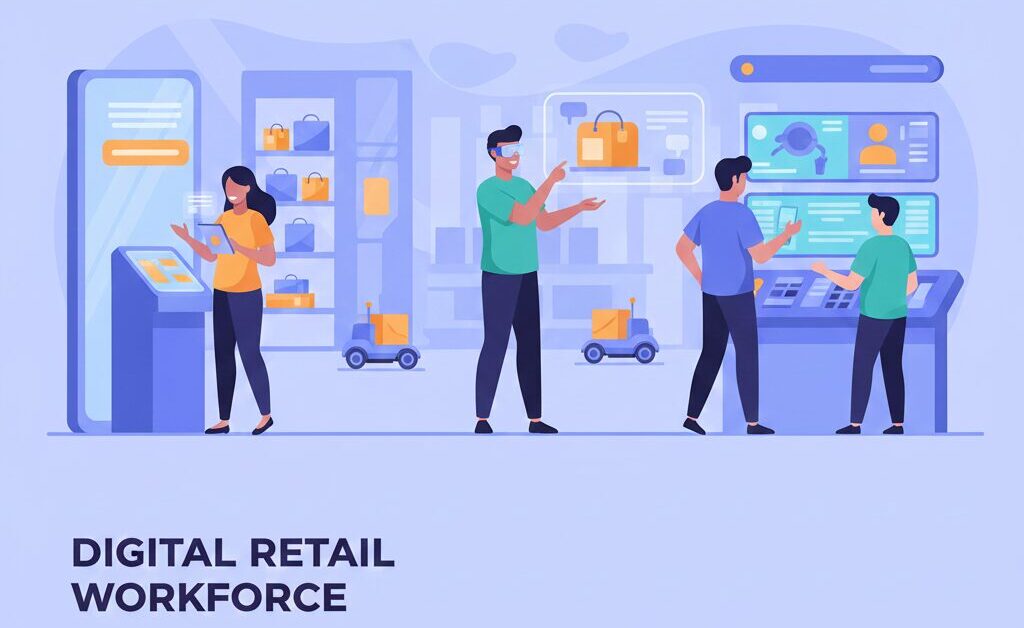
How Retail Talent Is Changing in the Modern Digital Era
The definition of retail manpower has expanded significantly. Earlier, retail hiring focused mainly on sales associates, cashiers, store managers, and merchandisers. However, with the explosion of digital commerce, businesses now require a blend of tech talent, operation specialists, and customer experience experts.
Retail talent today must understand:
- Consumer behavior analytics
- Digital store management
- Omni-channel fulfilment
- Inventory automation technology
- AI-driven customer engagement
Furthermore, retailers are actively seeking individuals who can interpret data, work with integrated POS systems, manage online orders, and deliver personalized experiences across both physical and digital touchpoints.
Digital Shifts Reshaping the Retail Workforce
Technology is no longer optional in retail—it is the backbone of modern retail operations. The widespread use of automation, mobile commerce, and cloud-based retail platforms is redefining workforce expectations.
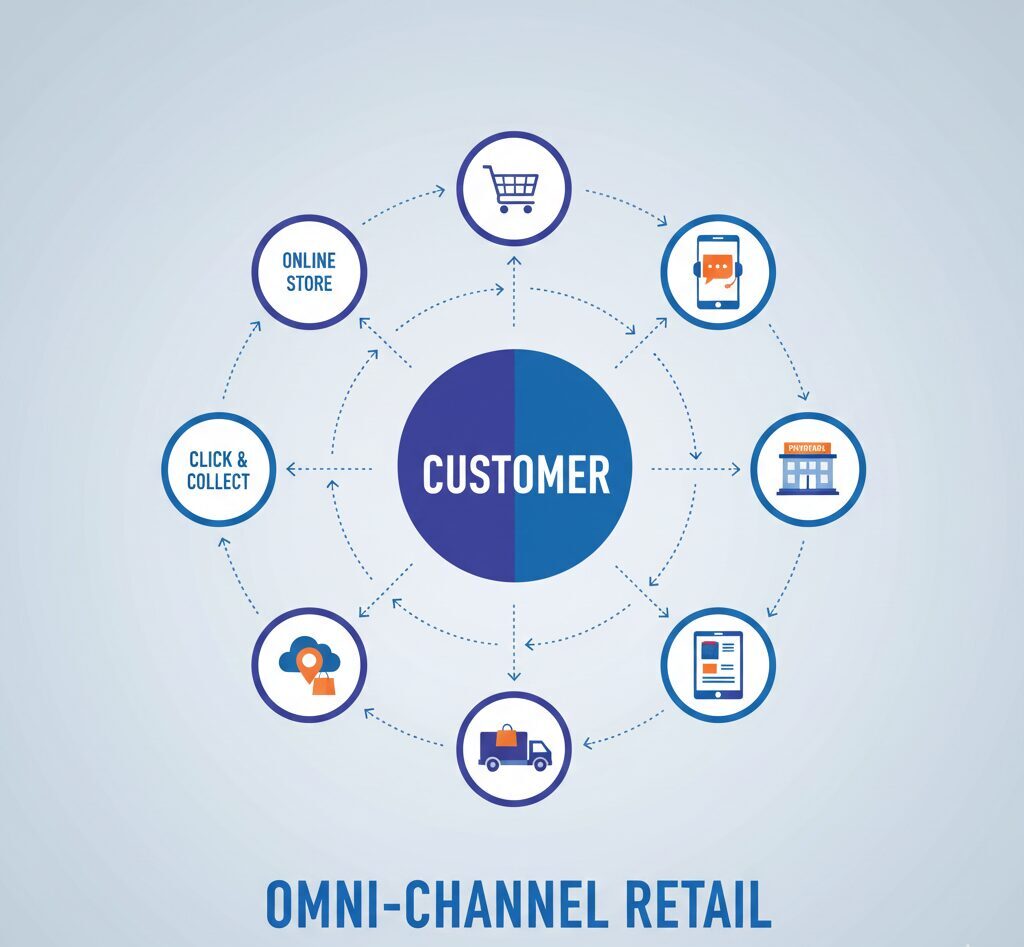
1. E-Commerce and Omni-Channel Retail Are Driving New Hiring Needs
Consumer behavior is dynamic; buyers now research online, compare prices on their phones, and expect seamless store-to-home experiences.
Therefore, companies must hire individuals who can manage omni-channel flow, including:
- Website merchandising
- Online customer care
- Digital order fulfilment
- Inventory coordination between stores and warehouses
Additionally, businesses are restructuring their organizational workflow so that the same workforce can manage both online and offline customer interactions without disruption.
2. Automation and AI Are Redefining Skill Requirements
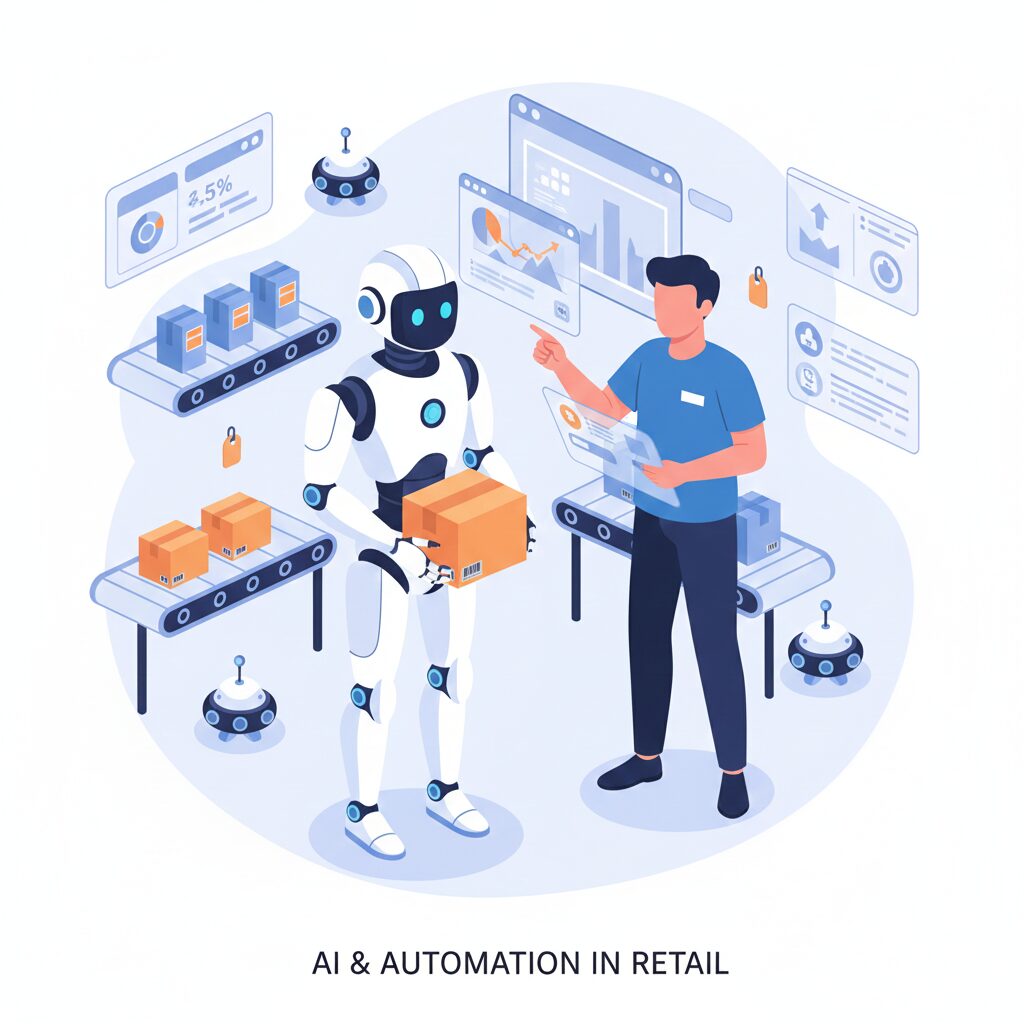
The rise of modern technologies such as automated checkout, smart shelves, demand forecasting systems, and AI-enabled CRM tools is forcing retailers to rethink their hiring strategies.
Rather than traditional manpower alone, companies now need professionals who can:
- Operate automated systems
- Manage data dashboards
- Monitor in-store analytics
- Handle robotic process automation
As a result, retail hiring is becoming increasingly technical, requiring a new generation of multi-skilled professionals.
3. Data-Driven Decision Making Is Becoming a Core Competency
Retail businesses are shifting away from guesswork.
In 2025 and beyond, success will depend heavily on data analysis—whether it’s understanding customer preferences, predicting buying patterns, or optimizing supply chain timelines.
Consequently, talent with experience in BI tools, CRM platforms, or even basic analytics holds a competitive edge.
Key Competencies Retail Talent Must Develop for the Future
To remain relevant in this evolving industry, retail professionals must adopt a hybrid skill set that combines digital knowledge with excellent customer interaction abilities.
Technical Skills Required
- Digital literacy and ability to handle tech systems
- Understanding of omni-channel processes
- Inventory management software skills
- Data interpretation and analytics basics
Behavioral Skills Required
- Customer empathy and communication
- Problem-solving abilities
- Adaptability in fast-paced environments
- Cross-functional coordination
Furthermore, organizations must build an internal culture that promotes continuous learning, as upskilling will remain one of the most important growth drivers for retail careers.
Why Retail Companies Must Redefine Workforce Strategy for the Next Decade
To sustain growth and remain competitive, retail organizations must align their hiring and workforce development strategies with future industry demands.
1. Investment in Continuous Upskilling
Retail companies that offer digital and operational training experience higher productivity and lower employee turnover.
Training in AI tools, digital POS, CRM platforms, and omni-channel coordination significantly enhances workforce capability.
2. Leadership Transformation Is Crucial
Retail leaders must transition from traditional store-based management to digital-first leadership.
This includes understanding online customer journeys, digital fulfilment cycles, and tech-based store operations.
3. Workforce Flexibility and Scalable Hiring Models
Retail is highly seasonal, fluctuating based on festivals, sales events, and market demand.
Therefore, companies need flexible staffing solutions such as:
- Temporary hiring
- Contract staffing
- Volume hiring
- Campus hiring
- Gig workforce solutions
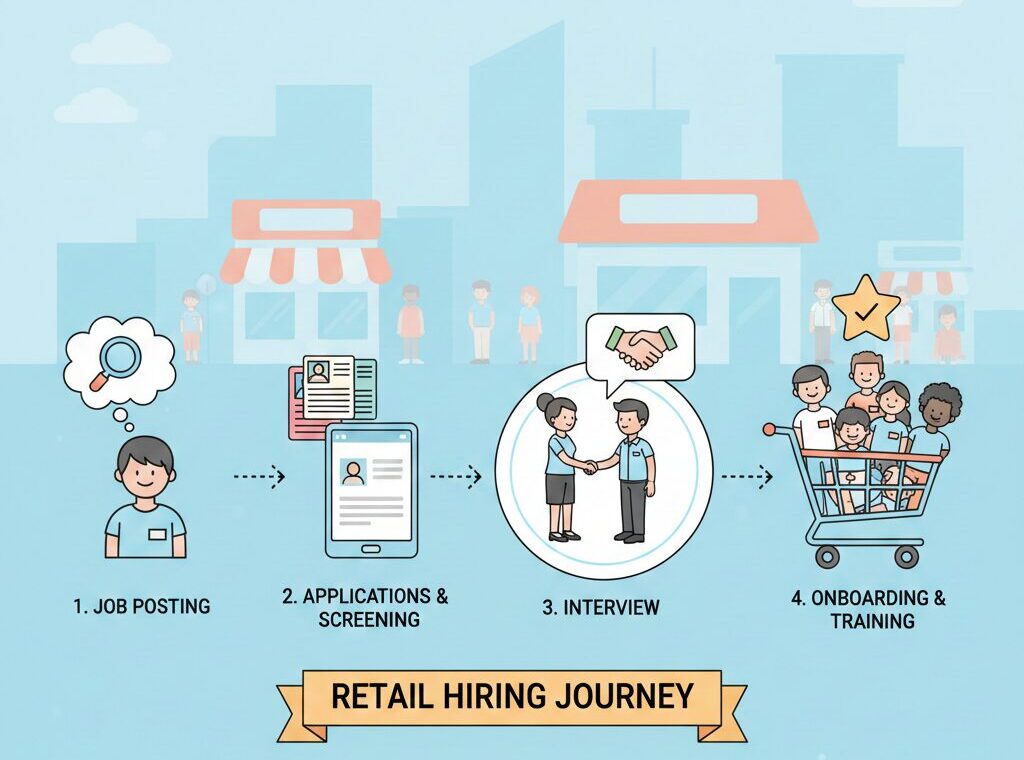
How Retail Hiring Strategies Are Transforming
Retail companies are adopting smarter hiring strategies to stay ahead of the digital curve.
1. AI-Powered Recruitment Is Enhancing Efficiency
AI-based hiring tools help businesses:
- Screen candidates faster
- Match skills with job roles
- Reduce hiring errors
- Improve decision-making
This not only streamlines recruitment but also improves workforce quality.
2. Skill-Based Hiring Is Replacing Experience-Based Hiring
Companies now prioritize skills over years of experience.
For example, a candidate who understands CRM systems may be preferred over someone with more years of traditional retail experience.
3. Expanding Talent Pools Across Borders
With retail becoming global, businesses are increasingly hiring:
- International candidates
- Remote digital teams
- Multi-language customer support professionals
This global talent movement is enabling organizations to scale faster than ever before.
The Future of Retail Talent—What to Expect Next
The next decade will transform retail into a highly technology-integrated industry.
Retail talent will:
- Operate advanced automation
- Provide hyper-personalized customer experiences
- Use real-time data for decision-making
- Work in a hybrid of digital and physical environments
Ultimately, the future of retail depends on building a skilled, adaptable, and digital-ready workforce.
Conclusion
The evolution of retail talent is not just a shift—it is a revolution.
Retailers who embrace digital tools, continuous training programs, and agile staffing solutions will lead the next wave of global growth.
Partnering with a strategic HR solutions provider like IPS Group can help organizations build a future-ready workforce that supports innovation, efficiency, and exceptional customer experience.
1. What skills are becoming essential for the retail workforce in 2025?
Retail professionals must develop digital skills, customer analytics understanding, omni-channel knowledge, and strong communication abilities to stay competitive.
2. How is digital transformation changing retail hiring?
Automation, AI, and e-commerce platforms are pushing retailers to hire tech-savvy talent who can manage digital operations, online fulfilment, and real-time customer engagement.
3. Why is omni-channel experience important for retail employees?
Because consumers shop across multiple platforms, employees must manage seamless movement between online and offline interactions.
4. What challenges do retailers face in hiring skilled talent?
Retailers struggle with high attrition, lack of digital skill availability, rising hiring costs, and seasonal workforce gaps.
5. How can companies prepare for the future of retail talent?
By investing in upskilling, adopting flexible staffing models, embracing automation, and partnering with expert recruitment agencies.
6. What role does data play in modern retail hiring?
Data helps identify buying trends, optimize inventory, and build better workforce planning strategies to improve customer experience.
7. Why should retailers partner with professional staffing agencies?
Staffing agencies like IPS Group offer access to trained talent, faster hiring, large recruitment networks, and industry-specific expertise.